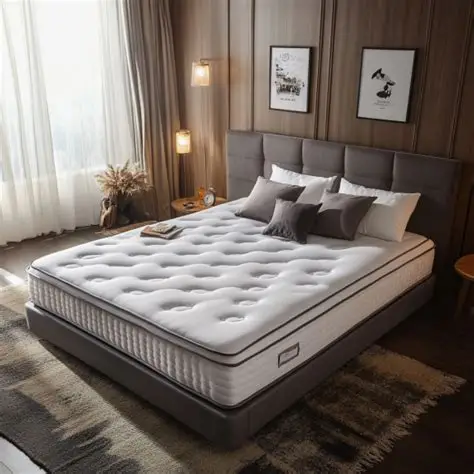
Book a Mattress

10,000+ people have already booked their perfect sleep solution
Sleep isn’t just a nightly routine — it is one of the most powerful biological processes that keeps the human body functioning at its best. Yet millions of people unknowingly struggle with sleep issues that silently weaken their health over time.
This is where sleep monitoring becomes essential. With modern advancements in AI, smart mattresses, and non-contact sensors, tracking your sleep has become easier, more accurate, and far more insightful.
In this article, we break down why monitoring your sleep truly matters and how it can transform your long-term health.
Most people assume they “sleep fine” until they actually see their sleep data.
Sleep monitoring gives you clear insights into:
How long you actually sleep
How often you wake up
How much deep sleep you get
How much REM sleep you get
Breathing and heart-rate patterns
Disturbances like snoring or restlessness
These metrics reveal the true quality of your rest, not just the number of hours.
Some sleep disorders show subtle signs — often ignored for years.
Sleep apnea
Insomnia
Restless Legs Syndrome (RLS)
Chronic snoring
Irregular breathing patterns
Contactless AI sensors can pick up micro-vibrations and respiratory changes long before symptoms are noticeable. This early detection is crucial — especially for apnea, which is strongly linked to:
Heart diseases
High blood pressure
Diabetes
Stroke
Decades of medical research agree: sleep affects every system in your body.
Monitoring your sleep helps you improve the areas that directly impact:
Better memory, focus, creativity, and decision-making.
Reduced stress, anxiety, and mood swings.
Growth hormones and body repair happen in deep sleep.
Those who sleep well get sick less often.
Sleep affects hunger hormones, metabolism, and cravings.
Modern AI sleep systems don’t just track — they learn.
They analyze trends like:
Your best sleeping position
How temperature affects your sleep
If stress influences your breathing
How much movement you have at night
Ideal sleep-wake timings
This helps create personalized sleep recommendations, turning raw data into meaningful, daily improvements.
Seeing your sleep score regularly motivates you to:
Reduce screen time before bed
Improve sleep schedule
Lower caffeine intake
Avoid heavy meals late at night
Keep consistent wake-up times
Over time, small habits create major health upgrades.
Poor sleep is directly linked to:
Obesity
Hypertension
Depression
Cognitive decline
Diabetes
Cardiovascular diseases
By monitoring your sleep, you catch warning signs long before they become serious lifestyle disorders.
Sleep monitoring is no longer a luxury — it’s one of the smartest health decisions you can make today.
Whether through a smart mattress, AI sensor, or health wearable, consistent sleep tracking gives you:
Early risk detection
Better daily energy
Improved mental and physical health
Deeper, restorative sleep
A longer, healthier life
If better health starts with better sleep, then better sleep starts with better monitoring.
Clear answers to common questions about sleep monitoring technology