Book a Mattress
10,000+ people have already booked their perfect sleep solution
Sleep is supposed to restore your body — but for millions of people, it becomes a nightly struggle for breath.
Sleep apnea is one of the most underestimated sleep disorders, yet it silently affects energy levels, heart health, mood, and overall life quality.
If you’ve been feeling tired even after 7–8 hours of sleep, waking up gasping, or noticing loud snoring patterns, this guide will explain what sleep apnea is, why it happens, and how new technology can help you detect it early.
Sleep apnea is a disorder where your breathing repeatedly stops and starts while you’re asleep.
These pauses can last from a few seconds to even a minute — and may happen 40–100+ times per hour in severe cases.
Without enough oxygen, your body wakes you up repeatedly, even if you don’t notice it.
There are two main types:
The most common type.
It happens when the throat muscles relax too much and block the airway.
Here, the brain doesn’t send the correct signals to the muscles that control breathing.
(OSA accounts for almost 85–90% of cases.)
You might have sleep apnea if you experience:
Loud or chronic snoring
Gasping or choking during sleep
Morning headaches
Dry mouth after waking
Daytime sleepiness
Difficulty concentrating
Mood swings or irritability
Poor memory
Unrefreshing sleep
Many people don’t realize they have apnea — often, partners or family members notice it first.
Untreated sleep apnea doesn’t just ruin your sleep.
It can lead to serious long-term health issues:
High blood pressure
Heart disease & arrhythmias
Stroke risk
Diabetes
Depression & anxiety
Weight gain
Low oxygen levels
Poor immunity
Reduced productivity and focus
It also increases the risk of accidents due to lack of alertness.
This is why early detection is absolutely essential.
A few common risk factors include:
Being overweight
Family history of apnea
Smoking and alcohol use
Thick neck circumference
Nasal congestion
Sleeping on the back
Age 40+
Enlarged tonsils (common in children)
But anyone can develop it, even fit individuals.
Modern technology is transforming how sleep apnea is diagnosed.
You no longer need to go to a sleep lab with wires attached.
AI-based sleep systems can detect apnea-like patterns contactlessly through:
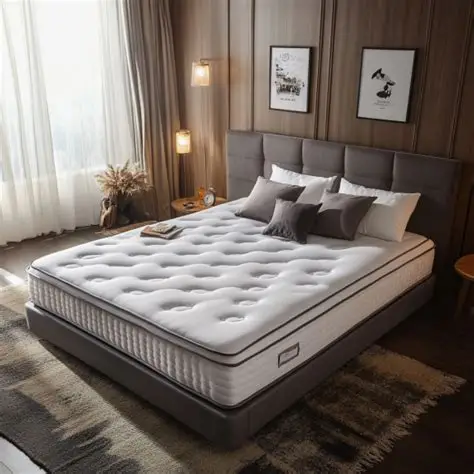
Micro-vibration sensors under the mattress
Breathing rhythm analysis
Heart-rate variability changes
Snoring and motion patterns
Oxygen level fluctuations
AI studies thousands of nightly data points and identifies:
Abnormal breathing pauses
Sudden heartbeat spikes
Snoring intensity changes
Disturbed sleep cycles
This makes apnea detection simpler, faster, and highly accurate, especially for people who avoid traditional sleep tests.
Ignoring sleep apnea affects more than your nights. It impacts your:
Energy levels — constant fatigue
Mental clarity — slow thinking, lack of focus
Mood — anxiety, frustration, irritability
Fitness — slower recovery, poor stamina
Work performance — reduced productivity
Driving safety — higher risk of accidents
Many people think they’re “just tired”, when the real cause is oxygen deprivation during sleep.
Depending on severity, solutions include:
Weight control, avoiding alcohol before bedtime, sleeping on the side.
A device that keeps airways open — the most effective treatment for moderate–severe apnea.
Used for mild cases to keep the jaw in optimal position.
Helps track severity, nightly episodes, and improvement over time.
Seek evaluation if you experience:
Persistent snoring
Unexplained morning headaches
Excessive daytime sleepiness
Witnessed breathing pauses
Waking up choking or gasping
Early screening prevents long-term complications.
Sleep apnea is not just a sleep problem — it’s a serious health condition that affects your brain, heart, mood, and daily performance.
The good news?
With today’s AI-driven sleep technology, early detection and monitoring are easier than ever.
Taking action now could dramatically improve your energy, focus, and long-term health.
Clear answers to common questions about sleep monitoring technology